Key Takeaways
- Your AC removes gallons of water from your home’s air every day during humid August weather. That water drains out through a narrow condensate line, usually a 3/4-inch PVC pipe.
- When dust, algae, and mold build up inside that pipe, it clogs. Water backs up and overflows from the drain pan, leaking into basements, utility rooms, or ceilings below.
- A clogged drain line is the most common cause of an air conditioner leaking water inside a house during peak humidity.
- Left alone, the standing water feeds mold growth and can rot drywall, subflooring, and framing. Many systems also have a safety switch that shuts the AC off entirely when the pan fills.
- A professional drain flush clears the blockage fast. Regular AC maintenance keeps the line open so it does not happen again. Call Midwest Comfort at (847) 338-2777.
If you have walked into your basement or utility room this August and found a puddle under the furnace, you are not imagining a plumbing problem. In most cases, that water came from your air conditioner. And the reason it is happening now, in the muggiest stretch of the year, is not a coincidence.
August is when the northwest suburbs get hit with the highest dew points of the summer. When the air outside is thick and sticky, your central air system has to work harder, run longer, and pull far more moisture out of your indoor air than it does in June. All that water has to go somewhere. When the path it normally takes gets blocked, it ends up on your floor, in your ceiling, or soaking into a wall.
Here is what is going on, why it tends to happen in mid-summer, and what to do before a small leak turns into a mold problem or water damage.
Why Your AC Produces So Much Water in August
Your air conditioner does two jobs at once; it cools the air, and it dehumidifies it. When warm, humid indoor air passes over the cold evaporator coil inside your furnace or air handler, the moisture in that air condenses on the coil, the same way water beads up on a cold glass of iced tea on a hot day.
On a humid August afternoon in the Chicago suburbs, a running central air system can pull anywhere from 5 to 20 gallons of water out of your home’s air in a single day. The drier your system keeps the house, the more water it is collecting behind the scenes.
That water drips off the coil into a drain pan underneath it. From the pan, it flows into the condensate drain line, which carries it away to a floor drain, a utility sink, a condensate pump, or outside. The whole setup runs quietly, and you never think about it, right up until the day it stops working.
How the Drain Line Clogs
The condensate line is usually a length of 3/4-inch PVC pipe. That is not much wider than a garden hose so it does not take much to block it.
Three things tend to build up inside:
- Dust and debris get pulled through the system and settle into the pan and the pipe. Over a season, this sludge collects at low points and bends in the line.
- Algae and mold love the conditions inside a condensate line. It is dark, it stays wet, and in summer it stays warm. That combination grows a slimy biofilm that thickens until it plugs the pipe.
- Rust and mineral scale can flake off older drain pans and metal fittings and add to the mess.
Once the buildup gets thick enough to block the pipe, the water coming off the coil has nowhere to go. The pan fills, then overflows. Because the air handler often sits in a basement, an attic, or a closet on an upper floor, that overflow shows up as a puddle on the floor, a water stain spreading across a ceiling, or a damp patch on a wall.
This is why the problem clusters in mid-summer. The line may have been slowly narrowing for weeks, but it takes the heavy condensate load of a humid August to finally push it past the breaking point.
What Happens If You Ignore It
A little water on the floor seems minor. The trouble is what that water does while it sits there.
Standing water and a damp drain pan are close to ideal conditions for mold. Mold spores can take hold within a day or two, and once they get into drywall, carpet padding, or insulation, cleanup gets expensive and the air quality in your home suffers.
Water also does not stay put. It follows framing and finds the lowest point it can reach. A slow overflow from an attic unit can travel through a ceiling and drip down two floors before anyone notices the stain. Over time, that moisture rots subflooring, warps hardwood, swells baseboards, and damages the wood framing behind your walls.
Many modern systems have a float switch in the drain pan, which is a small safety device that cuts power to the AC when the water rises too high. While this switch stops overflows, it also means your air conditioner shuts off completely on the hottest, most humid day of the year. A drain clog you never saw coming turns into a house with no cooling.
How Midwest Comfort Clears a Blocked Condensate Line
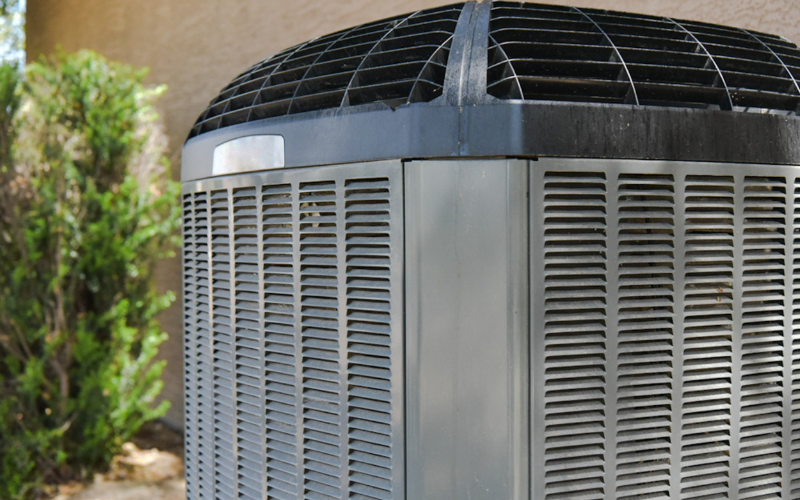
Clearing a clogged drain line is straightforward work for a trained technician, and it is worth having done right rather than guessing at it yourself. When you call Midwest Comfort, here is generally how it goes.
We start by confirming the leak is coming from the condensate system and not from a refrigerant issue or a cracked pan, since the fix is different for each. Then we locate the clog, clear the pan of standing water and sludge, and flush the line to remove the blockage and the biofilm feeding it. We check that water is flowing freely all the way through to the drain, test the float safety switch if your system has one, and make sure the pan is draining the way it should before we leave.
If the pan or line is damaged, or if the float switch has failed, we will show you what we found and give you a flat-rate price before doing any additional work. No surprises after the fact.
Our headquarters is in Elk Grove Village, so we are usually only a short drive from most northwest suburban homes, which helps on a same-day call when water is actively leaking.
Stop the Clog Before it Starts
Clearing a clog after it floods is the reactive option. The better approach is keeping the line clear so it never floods in the first place.
Drain line clearing is a standard part of a professional AC tune-up. During seasonal maintenance, the technician flushes the condensate line, cleans the pan, checks the coil, and confirms the whole drainage path is open before the humid season arrives. That one visit is what separates a system that runs quietly all summer from one that leaves a puddle on the floor in August.
If your air conditioner is more than 15 years old, has needed repairs two summers in a row, or keeps developing drainage and moisture problems, it may be worth talking about air conditioner installation rather than repeatedly patching an aging unit. Newer systems drain more reliably and cost less to run. But for the large majority of leaks, a drain flush and regular AC repair and maintenance are all it takes.
Spotting Water Around Your Indoor HVAC Unit?
Don’t risk mold or structural damage. Call (847) 338-2777 for fast, professional AC maintenance and emergency drain clearing in Arlington Heights, Buffalo Grove, Elk Grove Village, Mount Prospect, Palatine, Schaumburg, and the surrounding suburbs.
Call Midwest Comfort Heating & Cooling at 847-338-2777 to schedule same-day service, or
request an appointment online in under two minutes. That’s the Midwest Comfort Promise.
Leaking Air Conditioning FAQs
Why is my air conditioner leaking water inside my house in August?
August brings the highest humidity of the year to the northwest suburbs, so your AC is pulling far more moisture out of the air than usual, sometimes 5 to 20 gallons a day. That water drains out through a narrow condensate line. When dust, algae, or mold clog that line, the water backs up in the drain pan and overflows into your home. A clogged condensate drain is the most common reason for an indoor AC water leak during peak summer humidity.
Can a clogged AC drain line cause my cooling system to shut off entirely?
Yes. Many air conditioners have a float safety switch in the drain pan. When a clog causes water to rise past a set level, the switch cuts power to the system to prevent an overflow. It protects your home from water damage, but it also means your AC stops cooling completely until the line is cleared and the pan drains. This is a common reason a system quits on a hot, humid day for no obvious reason.
How does Midwest Comfort safely clear a blocked condensate line?
We first confirm the leak is coming from the condensate system rather than a refrigerant or pan problem. Then we clear the standing water and sludge from the pan, flush the drain line to remove the clog and the biofilm behind it, verify that water flows freely to the drain, and test the float safety switch if your system has one. If we find a damaged pan, line, or switch, we show you the issue and give you a flat-rate price before doing anything further.
Is an indoor AC water leak considered an HVAC emergency?
It should be treated as urgent even if it does not feel like a crisis. Water leaking near your indoor unit can cause mold growth within a day or two and can rot drywall, flooring, and framing if it continues. If water is actively pooling or dripping through a ceiling, turn the system off to stop the flow and call for service right away. Midwest Comfort offers 24/7 emergency HVAC service at (847) 338-2777.
How often should AC drain lines be cleaned during an Illinois summer?
For most homes, having the condensate line flushed once a year as part of a spring AC tune-up is enough to prevent clogs through the summer. Homes with high humidity, pets, heavy dust, or a history of drainage problems may benefit from a mid-season check as well. The goal is to clear the line before the heavy August condensate load can push a slow-building clog past the point of overflowing.
Does your standard AC maintenance plan cover drain line inspections?
Drain line clearing is a standard part of our seasonal AC tune-up, along with cleaning the pan, checking the coil, and confirming the full drainage path is open. For the exact details of what is included, see our air conditioner maintenance plan page or call us at (847) 338-2777 and we will walk you through it.