How Do I Know I Need a New Air Handler?
Your air handler plays a vital role in your home’s heating and cooling system. It’s responsible for circulating conditioned air throughout your home — whether warm in the winter or cool in the summer. Over time, however, this essential HVAC component can wear down or fail, leading to reduced efficiency and poor indoor comfort. Knowing when to replace your air handler can save you from unexpected breakdowns and high energy bills. Here’s what to look for.
What Does an Air Handler Do?
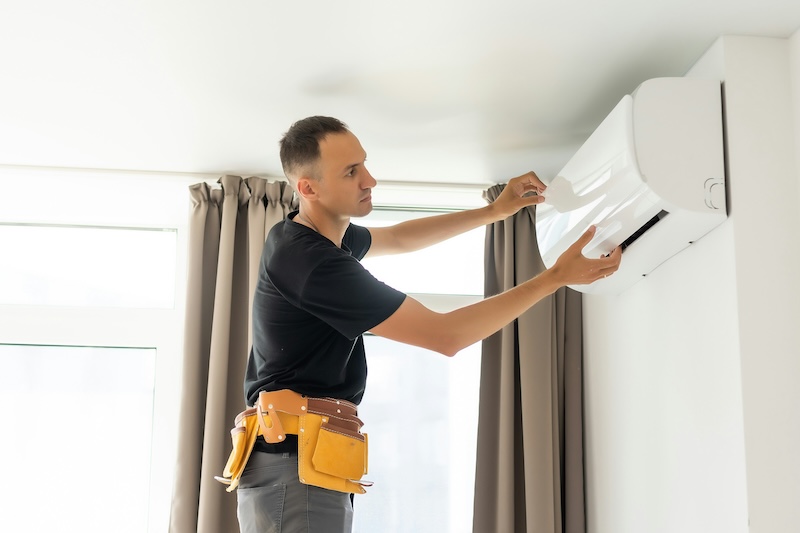
The air handler is typically located inside your home and works alongside your furnace or heat pump. It houses key components such as the blower motor, evaporator coil, air filter, and control systems. Its primary job is to move heated or cooled air through your ductwork and into every room of your home.
When your air handler operates efficiently, it keeps temperatures consistent, maintains air quality, and ensures your HVAC system runs smoothly. But when it starts to fail, you’ll notice changes in performance almost immediately.
Signs You May Need a New Air Handler
Here are some of the most common warning signs that it may be time to replace your air handler:
- Weak or inconsistent airflow – If you’re noticing uneven heating or cooling, the blower motor may be failing or the system may be struggling to circulate air efficiently.
- Strange noises – Grinding, rattling, or banging sounds coming from your air handler often indicate worn bearings, loose parts, or failing motors.
- Frequent repairs – If you’ve had multiple service calls in the past year, replacing the unit could be more cost-effective than continued repairs.
- High energy bills – An older or inefficient air handler can drive up energy costs by running longer to achieve the same temperature.
- Leaking or condensation issues – Moisture buildup around the unit could indicate a clogged drain line, corroded coils, or a failing condensate pump.
- System age – Most air handlers last between 10 and 15 years. If yours is nearing that age, it may be time to start considering replacement options.
How an Aging Air Handler Affects Your HVAC System
Your HVAC system works as a team — and the air handler is at the center of it all. When it starts to fail, the rest of the system suffers. Restricted airflow can cause your furnace or heat pump to overwork, leading to premature wear and tear. Over time, this can shorten the lifespan of other major components and increase the risk of total system failure.
Replacing your air handler when it shows signs of decline can restore efficiency and help you avoid costly repairs down the line.
Repair or Replace: How to Decide
Deciding whether to repair or replace your air handler depends on several factors, including its age, repair history, and current efficiency. Here’s a quick guideline:
- If the unit is under 10 years old and repairs are minor, fixing it might make sense.
- If the unit is over 10 years old and repair costs exceed 30–40% of the price of a new unit, replacement is typically the better investment.
- If your HVAC system uses outdated refrigerant (like R-22), upgrading both the air handler and condenser can improve energy efficiency and compliance with current standards.
Benefits of Replacing Your Air Handler
Installing a new air handler offers multiple long-term benefits:
- Improved airflow and comfort throughout your home
- Lower monthly energy costs
- Reduced noise and vibration
- Better humidity control and indoor air quality
- Enhanced system reliability and longevity
- Compatibility with modern, high-efficiency HVAC systems
Professional Installation Matters
Even the best air handler won’t perform properly if it’s not installed correctly. Proper sizing, wiring, and airflow calibration are crucial for maximizing energy efficiency and system performance. That’s why choosing experienced HVAC professionals like Midwest Comfort is so important. Our technicians ensure every installation is performed to manufacturer specifications and optimized for your home’s layout.
Maintenance Tips to Extend Your Air Handler’s Life
- Replace or clean air filters every 1–3 months.
- Schedule annual HVAC tune-ups.
- Keep vents and registers clean and unobstructed.
- Listen for unusual noises or vibration and call for service early.
Routine care keeps your air handler running smoothly and can delay the need for replacement by several years.
Final Thoughts: Trust Midwest Comfort for Air Handler Service in Illinois
If your air handler is aging, inefficient, or breaking down frequently, it might be time to replace it. Midwest Comfort provides expert diagnosis, replacement, and installation services across Illinois. Our skilled HVAC technicians will evaluate your current system, recommend the best solution for your home, and ensure your new air handler performs at peak efficiency.
Contact Midwest Comfort today to schedule an inspection or replacement estimate. Keep your home comfortable, efficient, and healthy with professional HVAC care you can trust.